
Falls are one of the leading causes of injury among older adults, often resulting in serious complications such as hip fractures, reduced mobility, and loss of independence. As a result, there has been growing interest in protective solutions that can minimise injury risk. One such solution is the hip protector, a simple yet potentially life-changing device designed to protect vulnerable individuals.
In this article, we explore what hip protectors are, how they work, and whether they actually prevent falls in the elderly. We’ll also look at how they fit into a broader approach to fall prevention, particularly for those seeking reliable support solutions from providers like Win Health.
What Is a Hip Protector?
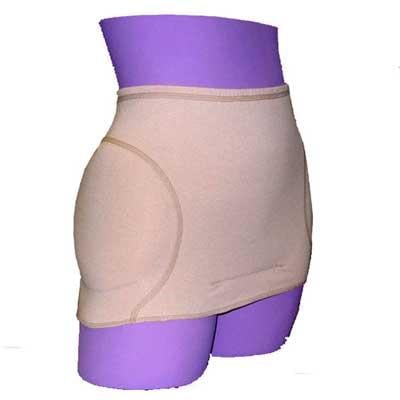
A hip protector is a wearable device typically built into specially designed underwear or garments. It includes padding positioned over the hip bones (the greater trochanter) to reduce the impact of a fall.
There are generally two main types:
- Soft hip protectors – made from foam or energy-absorbing materials that cushion the impact
- Hard-shell protectors – designed to redirect the force of a fall away from the hip joint
Both types aim to reduce the force transmitted to the hip during a fall, which is the primary cause of hip fractures in older adults.
These products are especially relevant for individuals who are frail, have osteoporosis, or have already experienced falls.
How Do Hip Protectors Work?
Hip protectors work on a simple principle: they don’t stop you from falling, but they reduce the damage if you do.
When a person falls sideways, the hip often takes the full force of the impact. Hip protectors either:
- Absorb the shock, reducing the force on the bone, or
- Disperse the energy, redirecting it to the surrounding soft tissue
This can significantly lower the likelihood of a fracture, which is one of the most serious consequences of falls in the elderly.
Do Hip Protectors Prevent Falls?
This is a common misconception. Hip protectors are not designed to prevent falls, and research confirms this.
A large umbrella review found that hip protectors did not reduce the number of falls among older adults. Instead, their benefit lies in injury prevention rather than fall prevention.
In other words, they are a protective measure, not a preventive one.
Do Hip Protectors Prevent Hip Fractures?
The answer here is more nuanced and depends heavily on the individual’s living environment.
In Care Homes or Assisted Living
There is strong evidence that hip protectors can be effective in these settings:
- Studies show they reduce the risk of hip fractures in institutionalised older adults, such as those in nursing homes
- Some research suggests the risk of hip fracture can be reduced significantly when protectors are worn consistently during falls
This is likely because:
- Staff can ensure proper use and fit
- High-risk individuals are more consistently monitored
- Compliance (regular wearing) is higher
In the Community (Living at Home)
The evidence is less convincing:
- Research shows little to no reduction in fractures among community-dwelling older adults
- Poor adherence (not wearing them consistently) is a major factor
Without consistent use, even the best protective device cannot deliver results.
Why Compliance Matters
One of the biggest challenges with hip protectors is getting people to wear them regularly.
Studies highlight that compliance rates can be relatively low due to:
- Discomfort or poor fit
- Difficulty putting them on
- Aesthetic concerns
- Lack of awareness or understanding
Even in care settings, adherence can vary significantly, which directly impacts effectiveness.
This is why modern designs are increasingly focused on comfort, discretion, and ease of use, areas where specialist providers like Win Health play an important role by offering practical, user-friendly solutions.
Who Should Consider Using Hip Protectors?
Hip protectors are not necessary for everyone, but they can be particularly beneficial for:
- Older adults with a history of falls
- Individuals with osteoporosis or fragile bones
- Residents in care homes or assisted living facilities
- People with mobility or balance issues
Healthcare guidelines often recommend considering hip protectors as part of a multifactorial fall management strategy, especially for high-risk individuals.
Hip Protectors vs Fall Prevention Strategies
While hip protectors are useful, they should never be used in isolation. The most effective approach combines protection with prevention.
Key fall prevention strategies include:
- Strength and balance exercises
- Home safety modifications (e.g., grab rails, non-slip mats)
- Mobility aids such as walking frames
- Medication reviews
- Vision checks
Hip protectors complement these measures by acting as a last line of defence when a fall does occur.
How Win Health Supports Safer Ageing
For individuals and caregivers looking to reduce fall-related injuries, choosing the right equipment is essential. That’s where platforms like Win Health come in.
Win Health offers a wide range of carefully selected mobility and safety products designed to support independent living. Their focus on quality, comfort, and usability ensures that solutions like hip protectors are not only effective but also practical for everyday use.
By combining protective products with broader mobility aids and fall prevention tools, users can create a safer living environment tailored to their needs.
Final Thoughts
Hip protectors are a valuable tool in elderly care, but it’s important to understand their role.
- They do not prevent falls
- They can reduce the risk of hip fractures, particularly in high-risk and supervised settings
- Their effectiveness depends heavily on consistent use
When used as part of a wider fall prevention strategy, hip protectors can make a meaningful difference in reducing serious injuries and maintaining independence.
If you’re exploring ways to support safer ageing, whether for yourself or a loved one, consider combining protective solutions like hip protectors with trusted mobility and safety products available from Win Health.
Together, these measures can help reduce risk, increase confidence, and improve quality of life.