
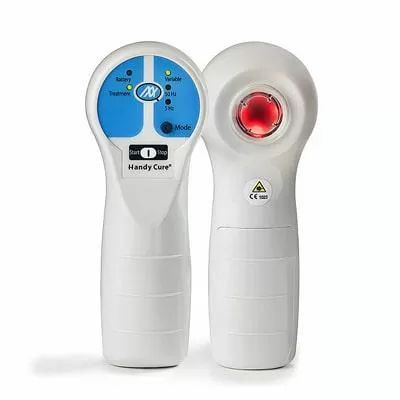
Chronic pain is a widespread concern that affects millions of people globally, leading many to seek alternative and non-invasive treatment options. One such option gaining prominence is Low Level Laser Therapy (LLLT). But what exactly is LLLT, and how does it work to alleviate pain? In this article, we will explore the science behind LLLT, its benefits, and its applications for effective pain relief.
What is Low Level Laser Therapy?
Low Level Laser Therapy (LLLT), also known as photobiomodulation therapy, is a form of light therapy that utilises low-intensity lasers or light-emitting diodes (LEDs) to stimulate cellular function. Unlike surgical lasers, LLLT does not produce heat or burn tissue. Instead, it uses specific wavelengths of light (typically between 600 and 1000 nanometres) to penetrate the skin and interact with the body’s cells. This interaction promotes biological processes that can lead to reduced pain and inflammation.
How Does LLLT Work?
The principle behind LLLT is rooted in photobiomodulation, where light energy is absorbed by the mitochondria—the powerhouse of the cell. This absorption triggers a series of biological reactions:
-
Increased ATP Production: Light exposure enhances the production of adenosine triphosphate (ATP), which provides cells with the energy necessary for repair and regeneration.
-
Reduction in Oxidative Stress: LLLT reduces oxidative stress by neutralising harmful free radicals, which can contribute to inflammation and tissue damage.
-
Stimulation of Cellular Repair Mechanisms: Cells exposed to low-level laser light activate their natural repair processes, promoting faster healing of damaged tissues.
-
Anti-Inflammatory Effects: By decreasing the production of pro-inflammatory cytokines, LLLT reduces swelling and discomfort in affected areas.
-
Improved Blood Circulation: Laser therapy enhances microcirculation, delivering more oxygen and nutrients to the affected tissues, accelerating the healing process.
Applications of LLLT for Pain Relief
LLLT has proven effective for a range of conditions associated with pain and inflammation, including:
-
Arthritis: LLLT helps alleviate joint pain and stiffness associated with both osteoarthritis and rheumatoid arthritis.
-
Back and Neck Pain: Targeted laser therapy reduces muscle tension and inflammation, offering relief for chronic spinal discomfort.
-
Sports Injuries: LLLT promotes faster healing of sprains, strains, and tendon injuries, making it popular among athletes.
-
Fibromyalgia: Many sufferers report significant reductions in pain and fatigue after undergoing LLLT treatments.
-
Neuropathic Pain: Conditions such as carpal tunnel syndrome and diabetic neuropathy have shown improvement with regular laser therapy.
What to Expect During an LLLT Session
A typical LLLT session is quick and non-invasive, usually lasting between 10 to 20 minutes, depending on the targeted area. Patients often feel a soothing warmth but no discomfort during the procedure. Unlike conventional pain treatments that may require long recovery times or risk of side effects, LLLT is safe, painless, and requires no downtime.
Is LLLT Safe?
One of the significant advantages of LLLT is its safety profile. It is non-invasive and does not involve pharmaceuticals or surgical interventions. Side effects are minimal, with occasional temporary redness being the most common. However, it is always advisable to consult a healthcare professional before starting any new treatment.
Final Thoughts
Low Level Laser Therapy is rapidly gaining recognition as an effective method for pain relief. Its ability to accelerate healing, reduce inflammation, and provide non-invasive pain management makes it a compelling option for those suffering from chronic pain conditions. Whether you are an athlete, someone struggling with arthritis, or dealing with persistent back pain, LLLT offers a promising pathway to recovery and relief.
If you are considering LLLT for pain relief, consult with a qualified practitioner to determine if it is the right choice for your condition. With its proven benefits and minimal risks, LLLT could be the solution you’ve been searching for.