
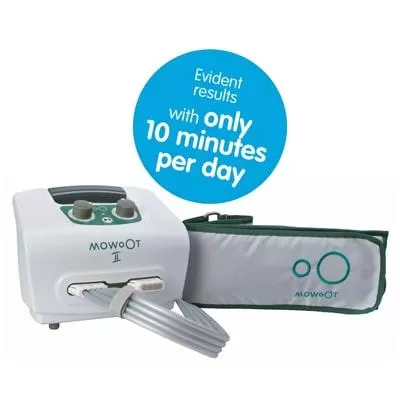
Chronic constipation can be distressing, disrupting daily life and leaving people feeling uncomfortable and frustrated. In recent years, a new type of device—non-invasive stomach massage machines—has emerged to help tackle the problem. One such device is the MOWOOT II Chronic Constipation Therapy System, designed to replicate the benefits of manual abdominal massage. But how effective are these machines, and are they worth considering? Let’s find out.
What Are Stomach Massage Machines?
Stomach massage machines are compact devices that usually consist of a belt worn around the abdomen, connected to a control unit. The device delivers gentle, rhythmic pressure through air-filled chambers that inflate and deflate in sequence, simulating the motions of a manual abdominal massage. The goal is to stimulate peristalsis—the natural wave-like muscle contractions in the intestines that help move stool through the digestive tract—thus easing constipation.
How MOWOOT II Works
Developed with input from digestive health specialists in Spain, the MOWOOT II system uses advanced pneumatic technology to apply carefully controlled pressure along the colon, reaching up to seven centimetres deep. It’s designed to be portable and convenient for daily use, with sessions lasting between 10 and 20 minutes while either seated or lying down.
MOWOOT II aims to reproduce the effect of manual abdominal massage, a method often used in clinical settings to encourage bowel movements. It’s especially useful for people experiencing slow-transit constipation caused by conditions such as neurological disorders (like multiple sclerosis, Parkinson’s disease, or spinal injuries), hormonal changes during menopause, medication side effects, or simply slower bowel function in older adults.
Clinical Backing: Does It Measure Up?
Evidence suggests these devices can indeed be effective. A multicentre clinical trial conducted in 2020 involved 92 participants with an average age of 52, most of whom were women. After using MOWOOT daily for four weeks in 20-minute sessions, the study found:
-
72.2% experienced more frequent bowel movements
-
77.4% noticed reduced constipation symptoms
-
81% reported an improved quality of life
These findings are consistent with earlier pilot studies conducted among older women and people with neurological conditions. Compared with manual massage, the machine offers the benefit of consistent, gentle pressure without relying on a caregiver to perform the massage.
Benefits Over Traditional Treatments
-
Drug-free and non-invasive – It helps reduce reliance on laxatives and avoids the side effects often associated with medication, such as bloating, dehydration, or dependency.
-
Consistent and convenient – Timed, programmed sessions ensure regular therapy without guesswork.
-
Improves overall wellbeing – Users often report softer stools, reduced bloating, less abdominal pain, shorter time spent on the toilet, and even a better appetite.
-
Portable and simple to use – Lightweight, with adjustable settings and sizes, it’s easy to incorporate into daily routines at home.
Are There Downsides?
-
Anal sphincter issues: If someone has weakness or dysfunction in the anal muscles, MOWOOT II may not completely resolve the problem. While it improves stool transit and consistency, additional measures such as suppositories or manual stimulation may still be needed.
-
Not suitable for everyone: People with certain conditions—including pregnancy, abdominal hernias or tumours, acute inflammation such as diverticulitis, or recent abdominal surgery—should avoid using such devices.
-
Cost: With a price around £630 (VAT exempt for medical use), it’s a more significant investment than over-the-counter solutions.
Who Should Consider One?
-
Individuals suffering from chronic slow-transit constipation, particularly if linked to neurological conditions like multiple sclerosis, Parkinson’s disease, or spinal cord injuries.
-
Older adults, menopausal women, or anyone looking to reduce their dependence on laxatives and searching for a gentler, drug-free approach.
-
People who want to manage their bowel health independently at home, especially those who struggle with manual massage or lack a caregiver to assist.
Practical Tips and Daily Use
To achieve the best results:
-
Use the device at the same time every day, ideally in the morning or at a time when you’re relaxed.
-
Start with 10–20 minute sessions daily, though some people prefer to split it into shorter sessions.
-
Avoid using the machine straight after a meal—a relatively empty stomach can make the massage more effective.
-
Keep the device clean—wipe the belt after each use and store it away from moisture and direct sunlight.
Final Verdict
Stomach massage machines like the MOWOOT II offer a promising, drug-free alternative for managing chronic constipation. Supported by clinical studies and based on sound physiological principles, they provide consistent relief, greater comfort, and a better quality of life for many people. While they’re not a perfect solution for everyone—particularly those with certain medical conditions—they can be a valuable tool for individuals seeking a non-invasive and manageable way to relieve constipation.
If you’re struggling with persistent constipation and wish to cut back on laxatives or uncomfortable treatments, a device like MOWOOT II could well be worth considering. As always, consult your healthcare professional to ensure it’s suitable for your individual circumstances.